



Price spikes and shortages are reshaping farm planning across SA
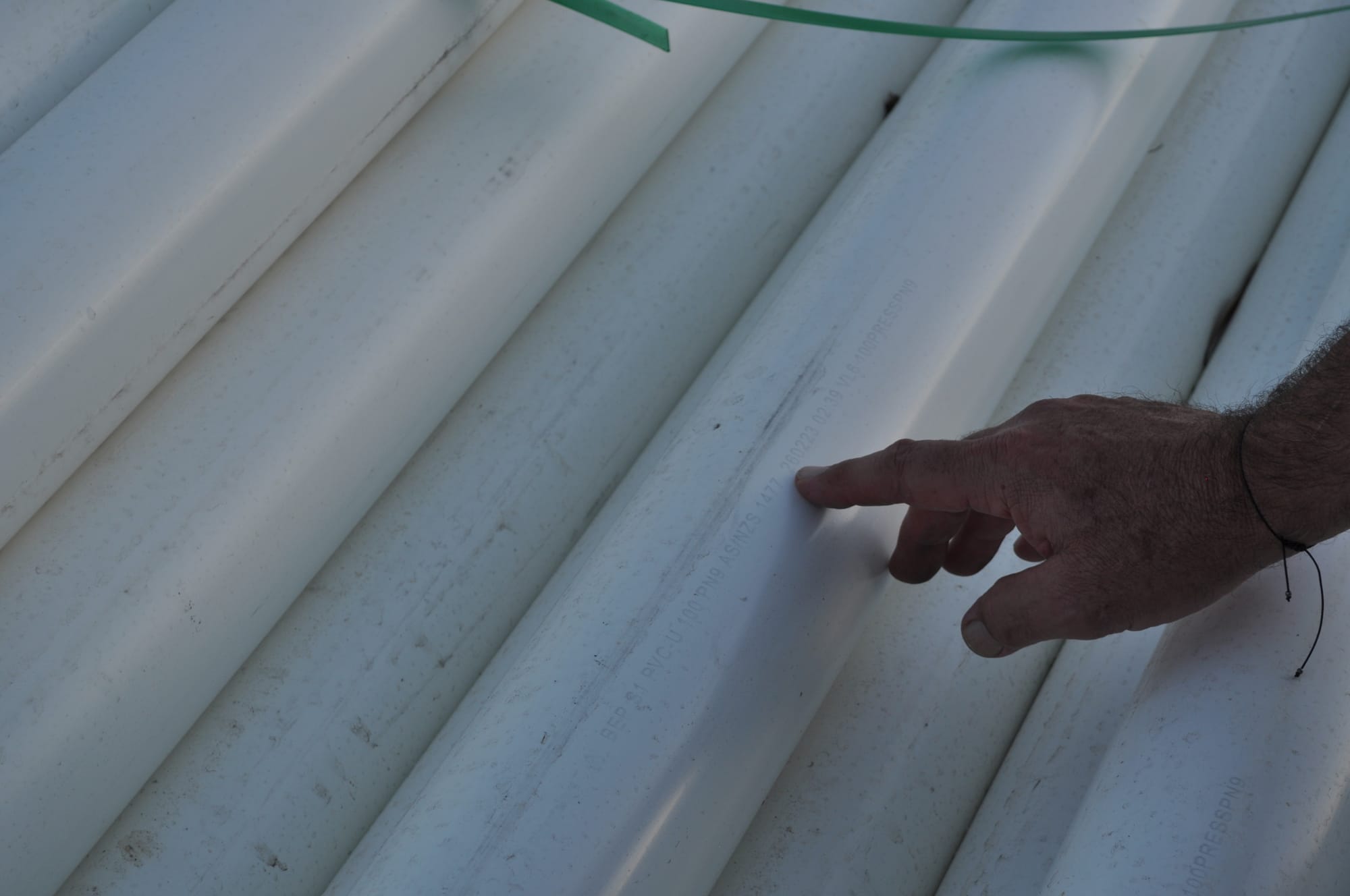
SOUTH Australia’s irrigation, construction and agricultural supply chains are facing intensifying pressure, as rises in diesel prices and key materials, such as PVC, are being passed on through to growers, contractors and regional businesses...

SOUTH Australia’s irrigation, construction and agricultural supply chains are facing intensifying pressure, as rises in diesel prices and key materials, such as PVC, are being passed on through to growers, contractors and regional businesses, reshaping project timelines and investment decisions across major production areas including the Riverland.
Loxton Irrigation Centre co-director Tom Drakopoulos said price volatility had accelerated rapidly since late March, with core irrigation inputs increasing at a pace rarely seen outside major global disruptions.
“Since the end of March, we’ve had price rises in PVC of up to 40 per cent,” Mr Drakopoulos said.
“Every seven days it might go up five, 10 per cent,”
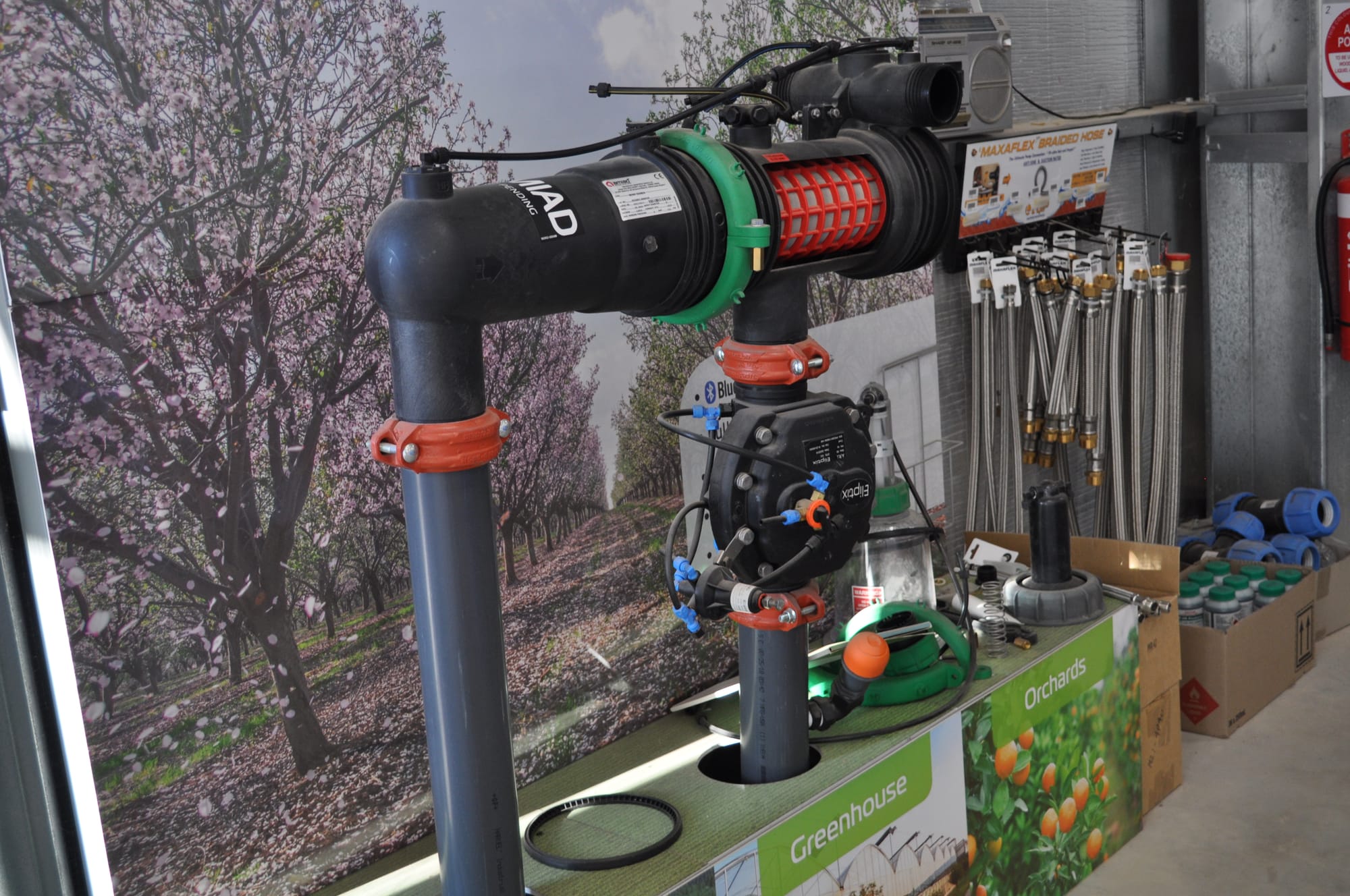
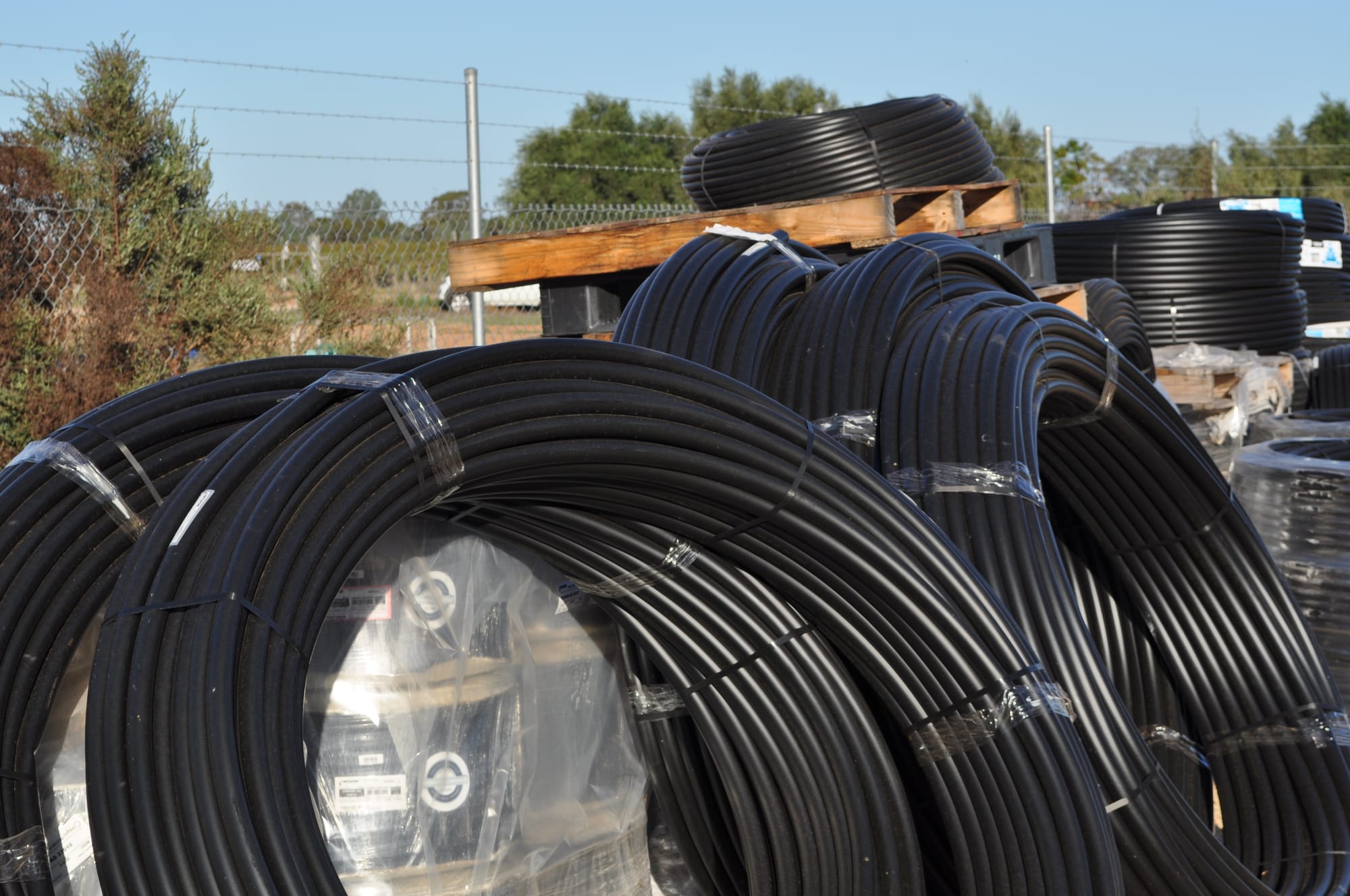
Mr Drakopoulos said the increases were not isolated, affecting PVC pipe, plumbing, sewer and stormwater systems, as well as high-density poly products critical to irrigation infrastructure.
“We get quotes that are valid for seven days, if you haven’t completed it by then, you have to go back and start again.”
Mr Drakopoulos mentioned the short validity of quotes was placing significant pressure on growers, developers and contractors, who were being forced to make major financial decisions in compressed timeframes.
“The hardest thing is, how do you tell the customer that?”
Compounding the issue are ongoing supply constraints, with delays stretching from weeks into months and freight bottlenecks building across interstate networks.
“One company told us they’ve got 80 B-doubles to come out of Melbourne,” Mr Drakopoulos said.
“If you’re told six or eight weeks, and there are delays in those deliveries, and your project’s been planned, that’s a big problem.”
Uncertainty around supply timelines was making forward planning increasingly difficult, particularly for projects already scheduled well into the future, according to Mr Drakopoulos.
“We’ve got people asking for material now, that want to do their job in January 2027. How do I see the crystal ball?” he said.
The volatility is forcing irrigation businesses to change how they operate, including significantly increasing stock holdings to avoid being caught short.
“Our stock levels have gone up, mostly just to have it here and lock in a good price,” Mr Drakopoulos said.
“If we say we’ll wait, we might get told eight weeks, so it’s pressure that comes on us.”
Despite those efforts, Mr Drakopoulos said rising input costs could not be absorbed.
“You have to pass it on. There’s no other way,” he said.
“If we bought it at one price, and the next load comes in higher, the price has to change.”
The impacts are flowing through the broader economy, with plumbers, builders and councils all affected by delays and escalating costs on infrastructure and development works.
“If we don’t have it, we can’t put it in the ground, and when we do get it, it’s gone up 40 per cent, then you have to quote everything again,” Mr Drakopoulos said.
Even relatively straightforward projects were becoming harder to deliver, with multiple components shifting in price at once, he mentioned.
“If you’ve got sprinklers, poly, tanks, and all of a sudden, it goes up 30 or 40 per cent, how do you do manage that situation? “It’s unsustainable.”
Mr Drakopoulos said the compounding pressures were having a direct impact on farm planning and investment, particularly as growers also contend with rising diesel, fertiliser and freight costs.
He said diesel prices alone were significantly affecting operating costs across the sector.
“You fill up and it’s doubled, where does that get passed on? Everything,” he said.
The volatility is also driving behavioural shifts, with customers increasingly stockpiling inputs to manage uncertainty.
“They just want it there because of the uncertainty of having it,” Mr Drakopoulos said.
“We’ve had people take whatever is left in stock, just to make sure they’ve got it.”
Mr Drakopoulos said that demand, combined with constrained supply, was tightening availability across multiple regions, with irrigation suppliers across the Riverland, Sunraysia and beyond drawing from the same limited pool of stock.
“When everyone’s doing the same thing, it runs out,” he said.
“It’s not just one area, it’s everywhere.”
Mr Drakopoulos rejected suggestions that businesses were inflating prices unnecessarily, saying increases reflected real supply costs and depleted stock.
“If you’ve emptied everything, you’ve got to start again at the new price,” he said.
Beyond the financial and logistical challenges, he said the situation was placing growing pressure on business owners, staff and customers alike.
Frontline employees were increasingly dealing with frustration from customers facing sudden price increases.
“You might tell someone something’s gone from $180 to $220, and they’re shocked,” he said.
“It’s a shock response, but our staff are dealing with that every day.”
He said businesses were working to support staff through the strain, but the cumulative pressure was significant.
“You ask for help, or you absorb it, and it builds and builds tension,” he said.
“We have mental health policies to support our workers, and ourselves, in order to release that pressure and not carry it home.
“If you carry that burden, somewhere along the way, it will need to be released, might be with a store worker, your family, or a random person. We don’t want that to happen.
At the farm level, Mr Drakopoulos said the combination of poor seasons, rising costs and uncertainty was also taking a toll on confidence.
“You might have had a poor grape season, decide to pull vines out and replant, and then everything changes. What does that do?” he said.
“The pressure’s becoming bigger and you’ve got nowhere to breathe,” he said.
With multiple cost inputs shifting simultaneously and supply remaining uncertain, Mr Drakopoulos said confidence across the sector was increasingly fragile.
“It’s not just the PVC. Diesel, freight, fertiliser, it all adds up,” he said.
“If one part fails, the rest start to follow.”


