


Varroa treatment restrictions starting to sting?
A SENIOR Riverland politician is backing demands by local beekeepers for greater control over how they manage the growing threat from one of the world’s most destructive bee pests.

A SENIOR Riverland politician is backing demands by local beekeepers for greater control over how they manage the growing threat from one of the world’s most destructive bee pests.
Riverland-based MLC and Primary Industries and Regional Development opposition spokesperson Nicola Centofanti recently visited the property of Paringa beekeeper Robbie Johnstone for routine inspections for the signs, and the management of verroa mite – a highly damaging parasite that attacks bees, weakens hives and threatens pollination activity that underpins food production
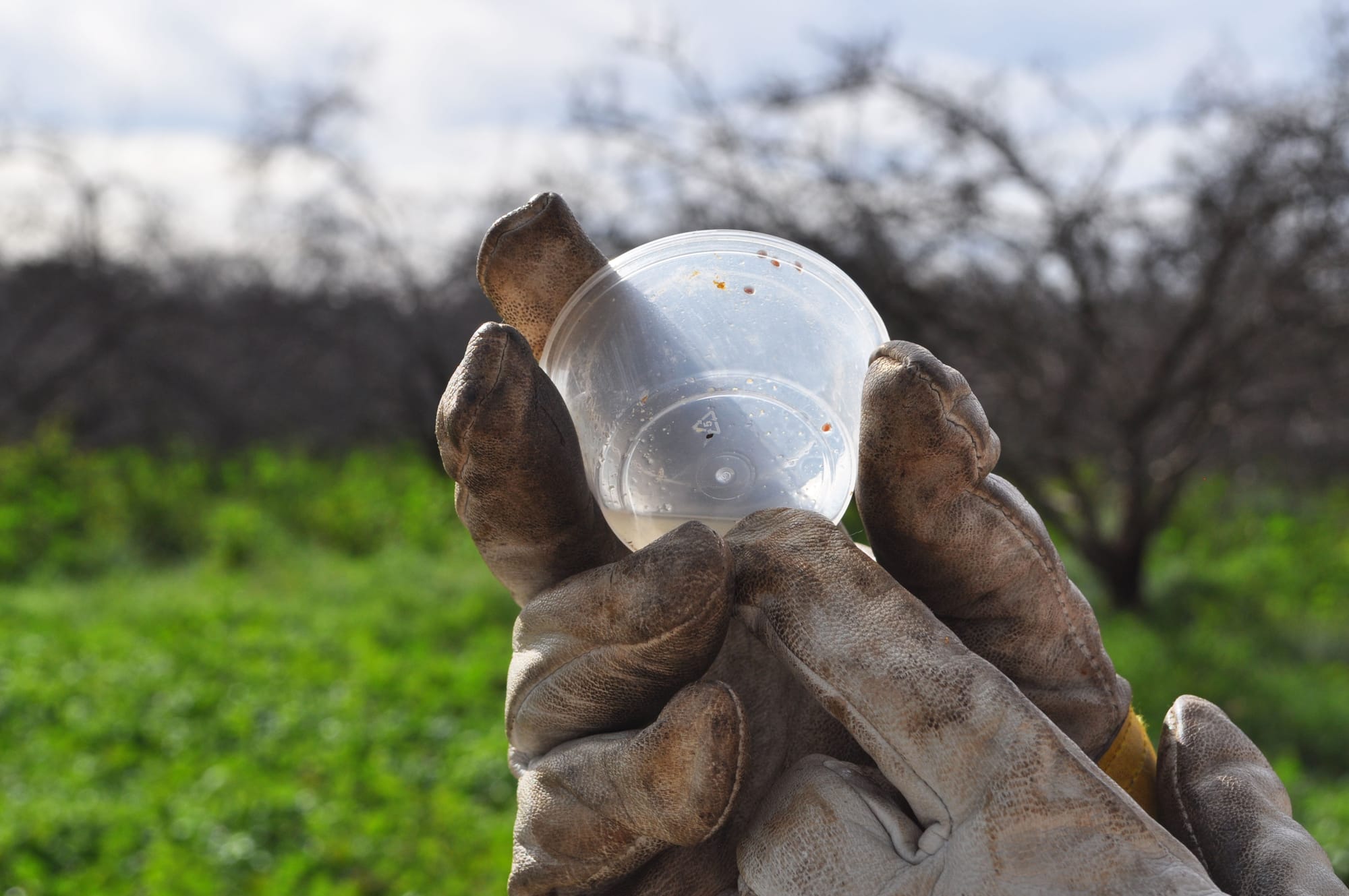
Also joined by Loxton-based apiarist Ian Cass, the morning involved testing of the local hives with an alcohol wash – which can reveal the parasite – followed with discussions surrounding current restrictions on the alterative organic treatments to manage the mite.
Varroa mite was first detected in South Australia last September, with farmers already starting to see resistance to synthetic treatments. This has led to a recent push for greater access to organic treatments, such as a solution created from technical-grade, or food-grade oxalic acid.
However, unlike many overseas jurisdictions, Australia currently has no broad ‘own use’ exemption allowing beekeepers to prepare oxalic acid formulations solely for use in their own hives, given it is generally restricted as it constitutes the manufacture and use of an unregistered veterinary chemical product outside the regulatory framework.
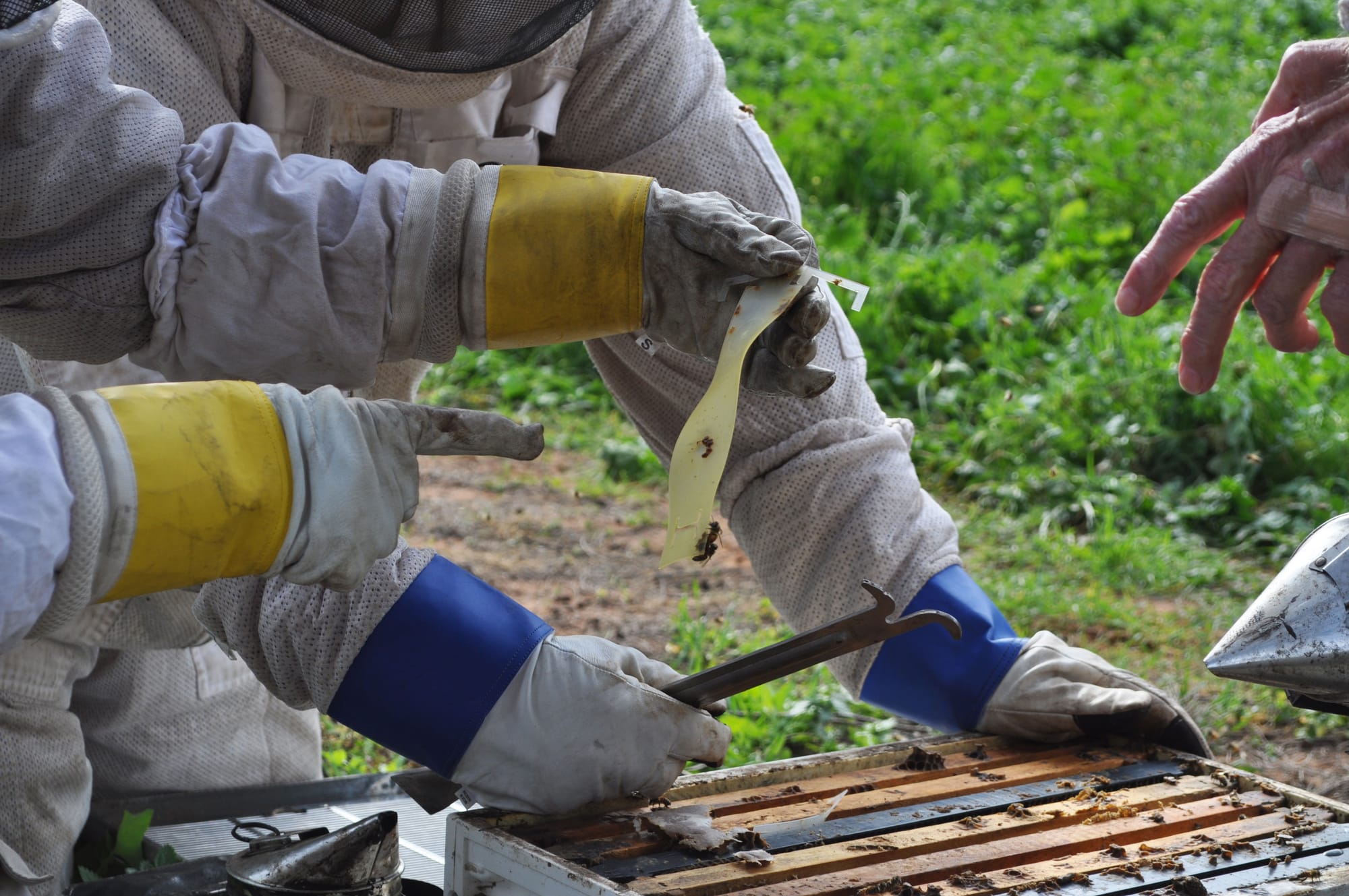
Beekeepers can use a commercial oxalate strip – purchased as an off-the-shelf product – however, this alternative can only be used once a year under existing regulations, with the best practice for the treatment of mites needing to occur every six weeks once hives are infected.
Dr Centofanti said the Australian Pesticides and Veterinary Medicines Authority must help beekeepers by providing them with greater access to organic treatments, advocating for an ‘own use permit’ that would allow beekeepers to legally use such treatments that have been proven highly successful overseas.
“Varroa mite is one of the most serious biosecurity threats facing Australia’s beekeeping industry and we have a unique opportunity to learn from other countries that have been warding off this threat for decades,” she said.
“There have already been cases of varroa mite in Australian hives showing signs of resistance to existing synthetic treatments. That’s why it’s critical our beekeepers have access to a broader range of measures and tools to protect their hives.”
Dr Centofanti said healthy bee populations are essential to Australia’s agriculture and food supply, pollinating many of the crops Australians rely upon every day, supporting billions of dollars in agricultural production and helping keep our food supply strong.
“Bees do far more than simply produce honey and protecting them must be a top priority,” she said.
“The best way to do this and to safeguard their sustainability is to give our beekeepers access to the right tools to keep their hives healthy and resilient.
“It is about creating a sensible pathway that allows suitable treatments to be assessed and used where appropriate, while maintaining and ensuring safety, efficacy and environmental protection.”
Dr Centofanti said she looked forward to working with federal colleagues and the beekeeping industry to progress the proposal as a matter of urgency.
Varroa mite resistance to synthetic treatment has been was verified by researchers – including from the Commonwealth Scientific and Industrial Research Organisation – and apiarists at the June South Australian Apiarists’ Association conference.


