


Critical weed control tool restricted despite lack of viable alternatives for SA grain producers
GRAIN Producers SA (GPSA) says new restrictions imposed on paraquat use by the Australian Pesticides and Veterinary Medicines Authority (APVMA) will have significant implications for South Australian grain producers, with no practical, effective and affordable alternative currently available.

GRAIN Producers SA (GPSA) says new restrictions imposed on paraquat use by the Australian Pesticides and Veterinary Medicines Authority (APVMA) will have significant implications for South Australian grain producers, with no practical, effective and affordable alternative currently available.
GPSA chief executive officer Brad Perry said paraquat plays a vital role in controlling herbicide-resistant weeds, including annual ryegrass, and underpins modern no-till farming systems used across South Australia.
“South Australian grain producers will be concerned by today’s decision, which places further restrictions on one of the most important weed control tools available to modern agriculture,” Mr Perry said.
“Paraquat is not simply another chemical in the toolbox. It is a foundation chemistry used by grain producers to manage resistant weeds, protect crop yields and support conservation farming practices.
“GPSA acknowledges that the APVMA revised several aspects of its original proposal following strong feedback from grain producers and industry, including retaining spray-topping uses critical for pulse crops such as lentils and allowing the continued use of optical spot spraying technologies that were initially proposed to be removed.
“While those outcomes are welcome, today’s decision still introduces significant reductions in application rates and new compliance obligations that will impact farming businesses across South Australia.”
Mr Perry said grain producers had consistently warned that reduced access to paraquat could increase production costs, place greater pressure on existing herbicide options and potentially accelerate herbicide resistance.
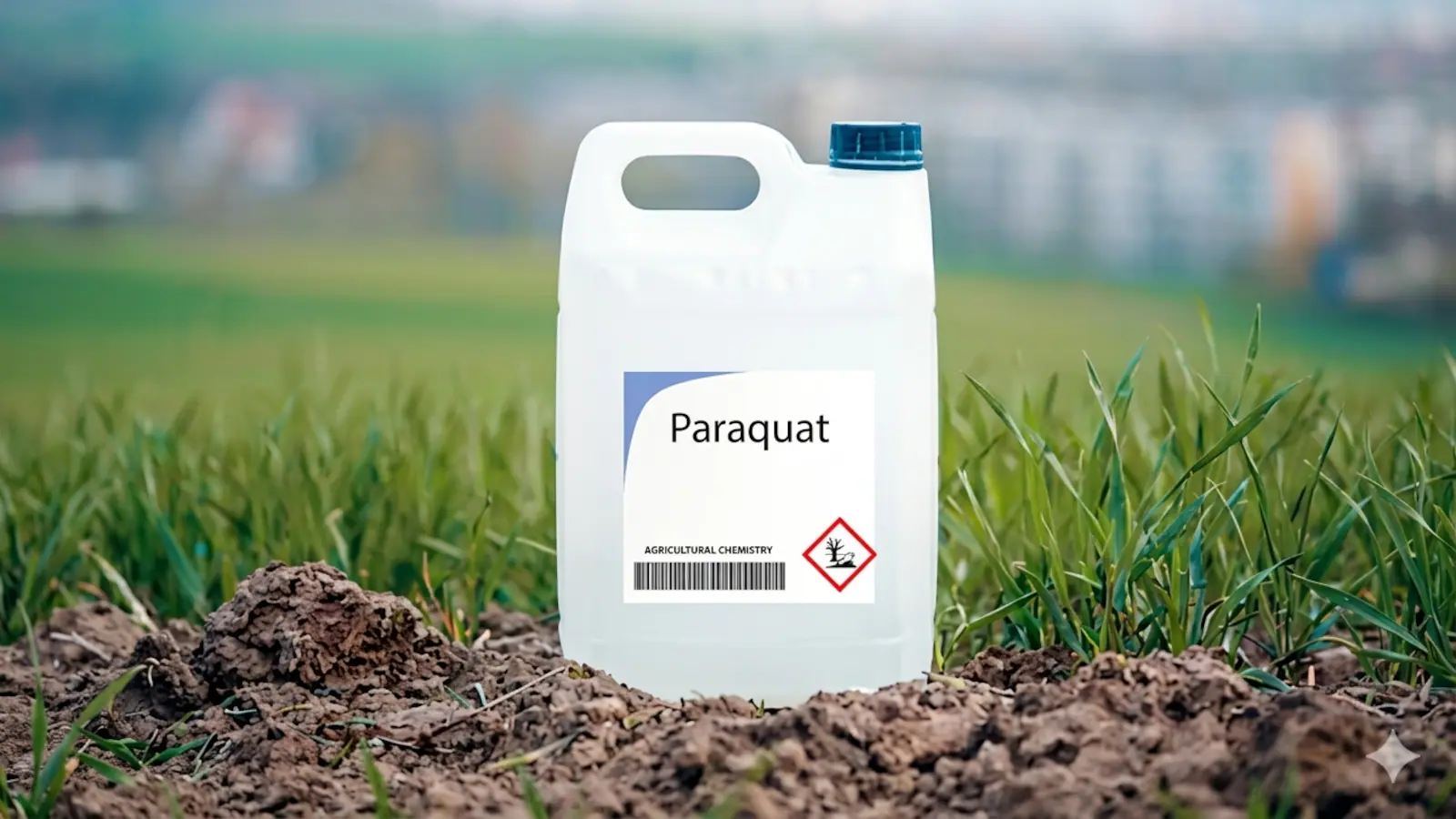
GPSA’s 2024 paraquat and diquat survey of 626 South Australian grain producers highlighted the importance of these products to modern grain farming systems. The survey found 92 per cent of respondents use paraquat often or always, 96 per cent consider it highly effective for weed control and 96 per cent believed restrictions would have a substantial negative impact on their farming operation.
“Those results demonstrate why growers have been so engaged throughout this review process and why GPSA remains concerned about the impact reduced application rates may have on weed control efficacy, herbicide resistance management and no-till farming systems,” Mr Perry said.
“While paraquat remains available to growers, availability alone is not the measure of success.
“The real test will be whether the new rates and restrictions still allow grain producers to effectively control weeds such as annual ryegrass and maintain the no-till farming systems that have become the backbone of modern grain production.”
“GPSA’s primary concern throughout this process has been that restrictions are being introduced before practical, effective and affordable alternatives are available to growers.
“If governments and regulators want farmers to use less key crop protection tools, there must first be a clear pathway to alternatives that are commercially available, economically viable and capable of delivering the same outcomes.
“At present, grain producers are yet to see alternatives that can consistently match paraquat’s effectiveness, affordability and fit within modern no-till grain production systems.”
GPSA vice-chair, and Mid North grain producer, Steve Ball said growers would now be working through the practical implications of the decision.
“Grain producers understand the importance of using crop protection products safely and responsibly, but they also need tools that are effective in the paddock,” Mr Ball said.
“The biggest question for South Australian grain producers now is whether the reduced application rates and new restrictions will allow us to achieve the same level of weed control that current farming systems rely upon.
“Annual ryegrass remains one of the most costly and difficult weeds facing grain producers. Any reduction in efficacy has the potential to increase weed burdens, increase costs and place further pressure on existing herbicide options.”
Mr Ball said paraquat is a cornerstone of no-till farming in South Australia.
“Paraquat is one of the key tools that has enabled the widespread adoption of no-till farming systems across South Australia,” Mr Ball said.
“Those systems have delivered enormous benefits through reduced soil erosion, improved moisture conservation, lower fuel consumption and better protection of our farming soils.
“If restrictions reduce the effectiveness of paraquat, there is a legitimate concern that growers may have fewer options available to control resistant weeds while maintaining those same no-till practices.
“Retaining spray-topping and optical spot spraying is important and reflects the strong feedback provided by growers throughout the review, but there are still significant questions about what the reduced rates will mean in practice.”
GPSA will continue analysing the final determination and updated product labels and will work with industry and government to ensure grain producers receive clear guidance on implementation and compliance requirements.


