It’s getting hairy
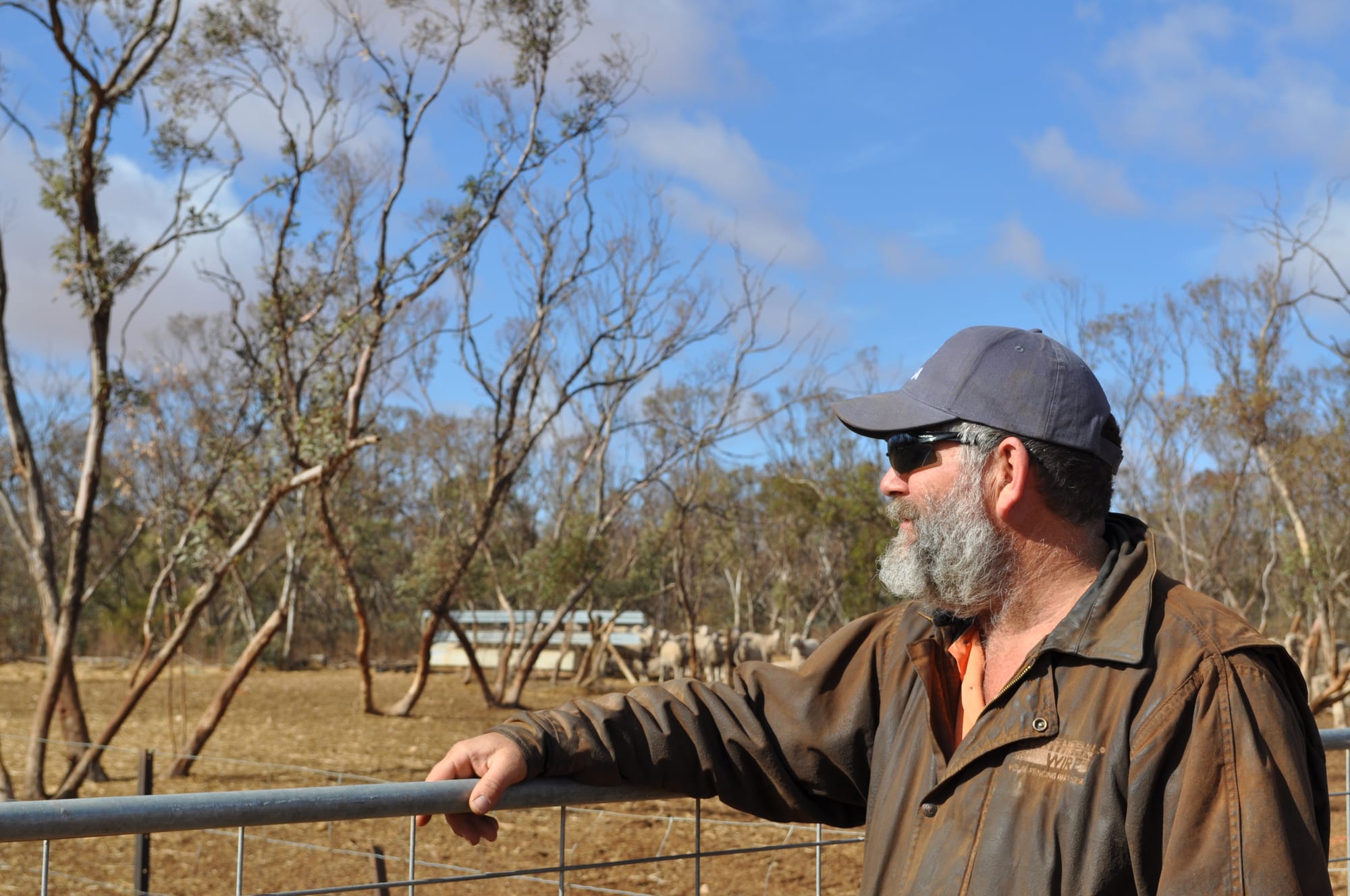
WITH a lack of rainfall and unprecedented wind conditions continuing to take an emotional, financial and environmental toll on a “nervous” industry entering into 2026, a Riverland West farmer said he expects to persevere in his commitment to growing a beard until a break in the drought.

WITH a lack of rainfall and unprecedented wind conditions continuing to take an emotional, financial and environmental toll on a “nervous” industry entering into 2026, a Riverland West farmer said he expects to persevere in his commitment to growing a beard until a break in the drought.
Taking the pledge to grow his beard until his property received a big enough rain event to break drought last April, Waikerie grain and livestock producer Tim Paschke said he suspected his efforts, humour in hard times, and scruff would continue into 2026, with the farmer needing at least 25mm for a positive start to the new season.
“I was getting really frustrated with everyone asking me if we had gotten the rain we needed,” Mr Paschke said.
“I have always had a bit of a goatee, so I thought this would be a fun thing that not only stopped those questions, but also could draw attention to the struggle we are currently experiencing with the drought.
“However, when I began, I thought I would be able to shave it off by September – yet, here I still am.
“While we have had some rain, it still hasn’t been enough to break the drought, or do with it what we actually need to, like seeding, or being able to save the season – I just hope I don’t have it by the end of this year.”
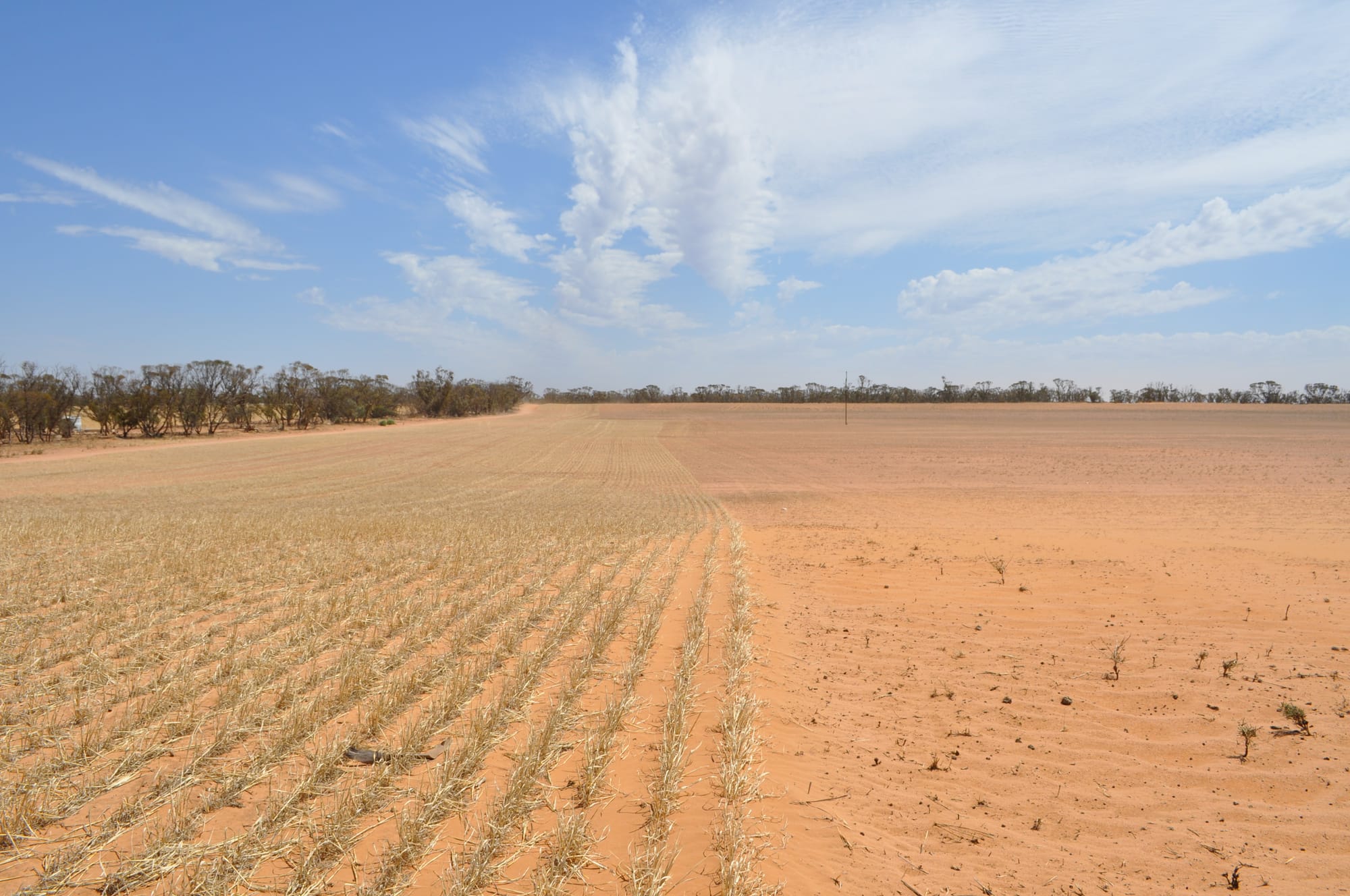
Farming across approximately 14,000 acres, Mr Paschke said drought conditions of the previous year has led to a lack of ground cover, and consequently, paddocks exposed to wind erosion.
“We haven’t had a good rain event since last October, so we just need a solid amount so we can get some crop up, and finally be able to hold some soil to the ground,” he said.
“However, the wind is still relentless, and we have had a lot of country we thought was going to hold and it hasn’t.
“It’s expensive to put crop in, so it would be great to have some assurance that we are doing the right thing, and it won’t just blow away like it did last year.”
Going into 2026 on the back of the lowest income year since 2002, Mr Paschke said while he is trying to remain hopeful for the upcoming harvest, the new season “is beginning on the backfoot”.
“It’s farming – so, it is what it is – but, it has been difficult going into this year already depleted,” he said.
“For six out of eight years the rainfall has been below average, so that lack of rain means you can’t grow cover, you can’t cover costs, and if it wasn’t for our okay year in 2022, we probably wouldn’t be (operating) anymore.
“We need a couple of good years, not to just catch up, but get ahead – but at the moment, there is nothing I can do but just wait and see.
“So, we’re just nervous, really nervous actually, because we don’t know what the season is going to bring.
“However, we are going into it with a positive mindset – every year for us is a new attempt and that can be hopeful, and so far, there is nothing to say we won’t get the 180mm for the growing season and 250mm for the year.
“I am just hoping for some good rain around the March to April period, that will allow us to really start the season flowing and we can begin our program – however, we will take it as it comes.”
Experiencing low market returns and increasing cost-of-living pressures, Mr Paschke said the wider Riverland farming community were also sharing in his feelings and worries for the new year, with some even reducing their cropping.
“Everyone north of Karoonda I would say is nervous for the upcoming season,” he said.
“As we were one of the only parts of the state experiencing drought last year, we found the prices really hard to deal with – when you experience drought, you expect drought prices, but that wasn’t the case this time.
“So, we’re having to try to grow more crop and farm more acres just to try to have the same income at the end of the day, and even then, that income isn’t really cutting it in the current cost-of-living crisis.
“There are a lot of challenges we’re facing, and it’s making the future feel very uncertain, however, we’re ready to battle on.”