Riverland growers explore agave industry prospects at specialist workshop
RIVERLAND growers have taken another step forward in exploring an alternate crop option, with the region recently hosting a specialist workshop on agave cultivation.


RIVERLAND growers have taken another step forward in exploring an alternate crop option, with the region recently hosting a specialist workshop on agave cultivation.
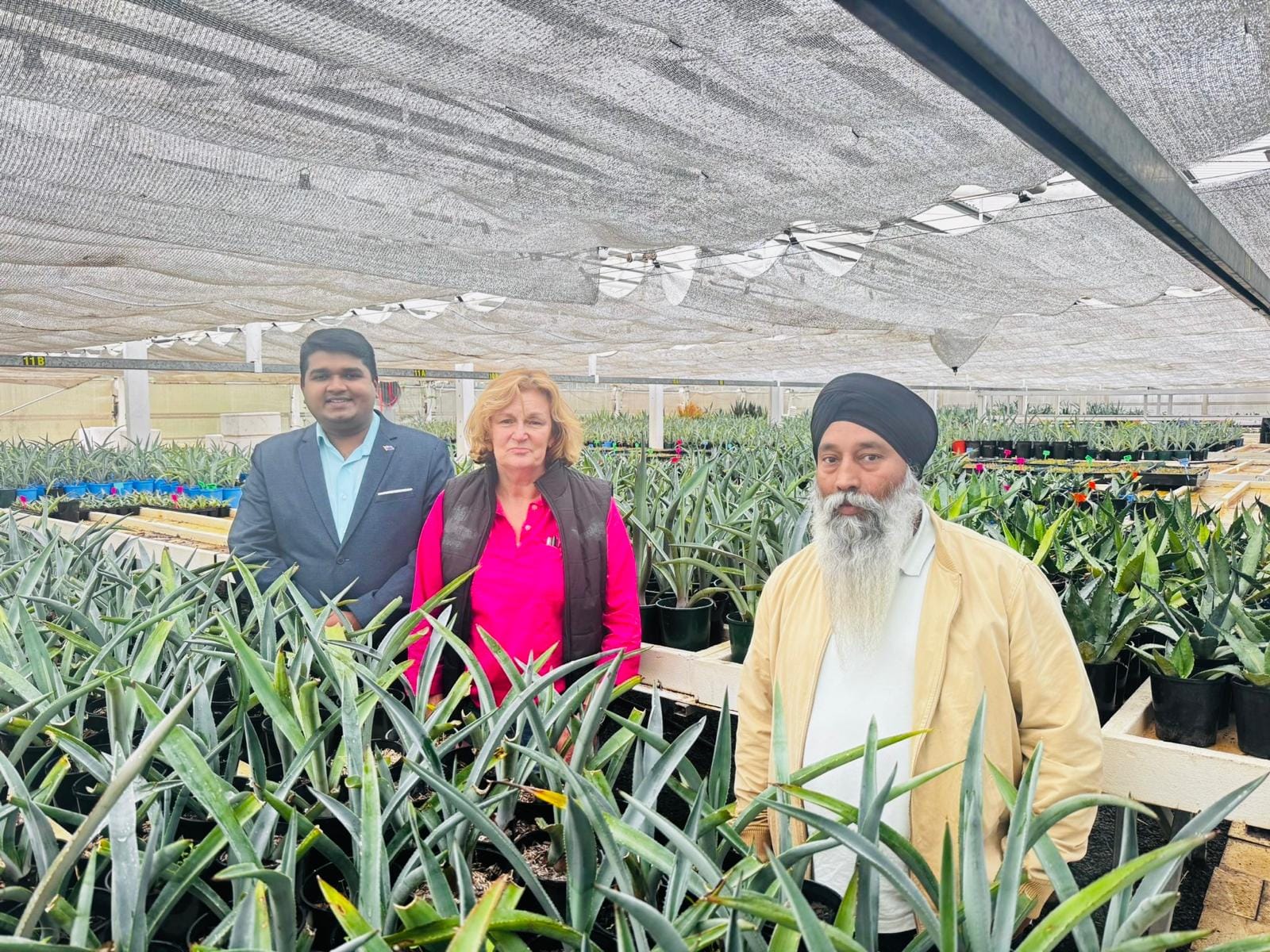
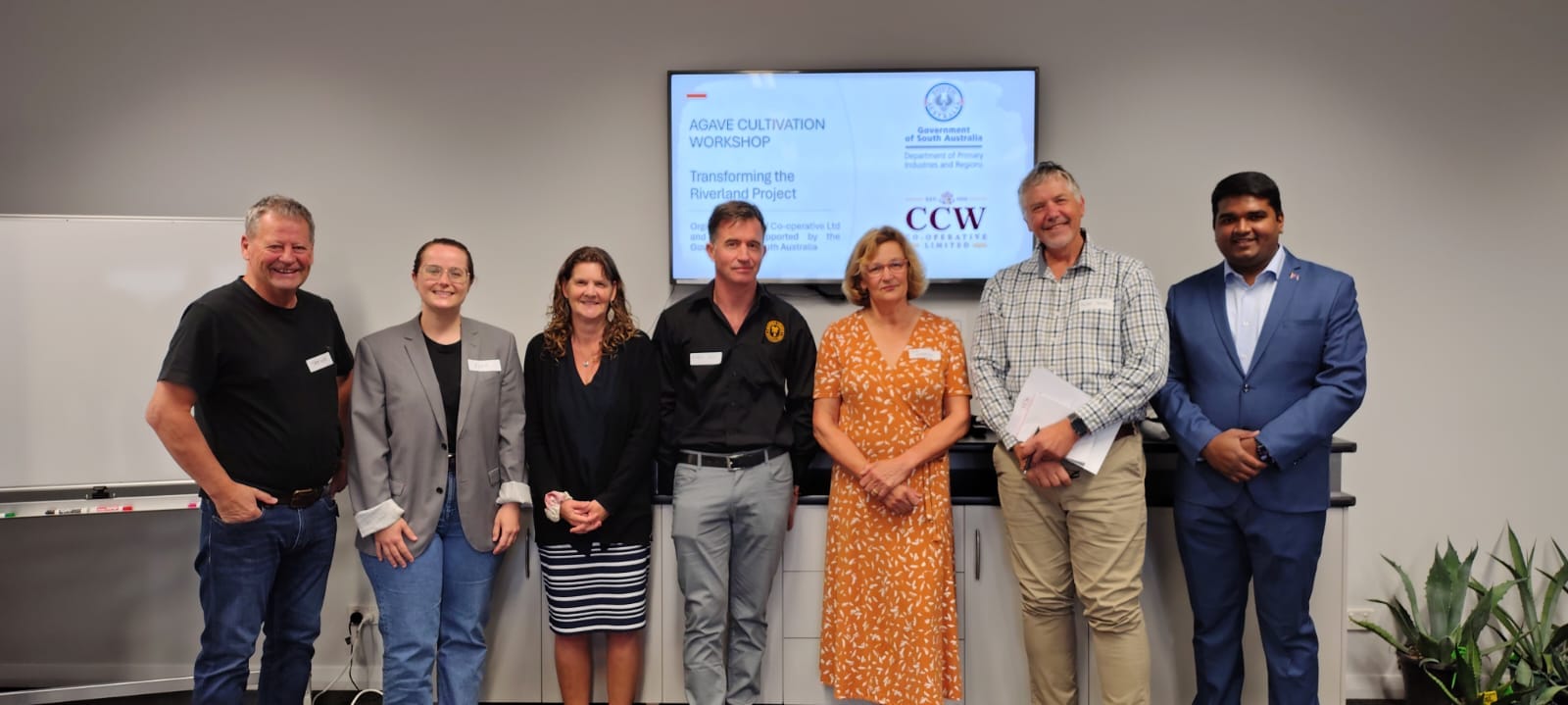
Producers, industry representatives and researchers gathered at CCW Co-operative, in Glossop, for the Riverland Agave Cultivation Workshop, as part of PIRSA’s Transforming the Riverland Project.
The event brought together some of Australia’s leading experts to examine the prospects of building a viable agave spirits industry in regional South Australia.
The workshop featured presentations from Goodfellow Agave founder Jane Goodfellow, Adelaide University’s Professor Rachel Burton, and Trove Spirit Brokers’ Chris Dix, each outlining how the combination of agronomic potential, research capacity and established market demand is aligning rapidly in favour of agave.
Speakers told the Riverland audience that agave – a desert crop long associated with tequila and mezcal – is emerging globally as a high-value ingredient for spirits, biofuels, fibre, food products and stock feed.
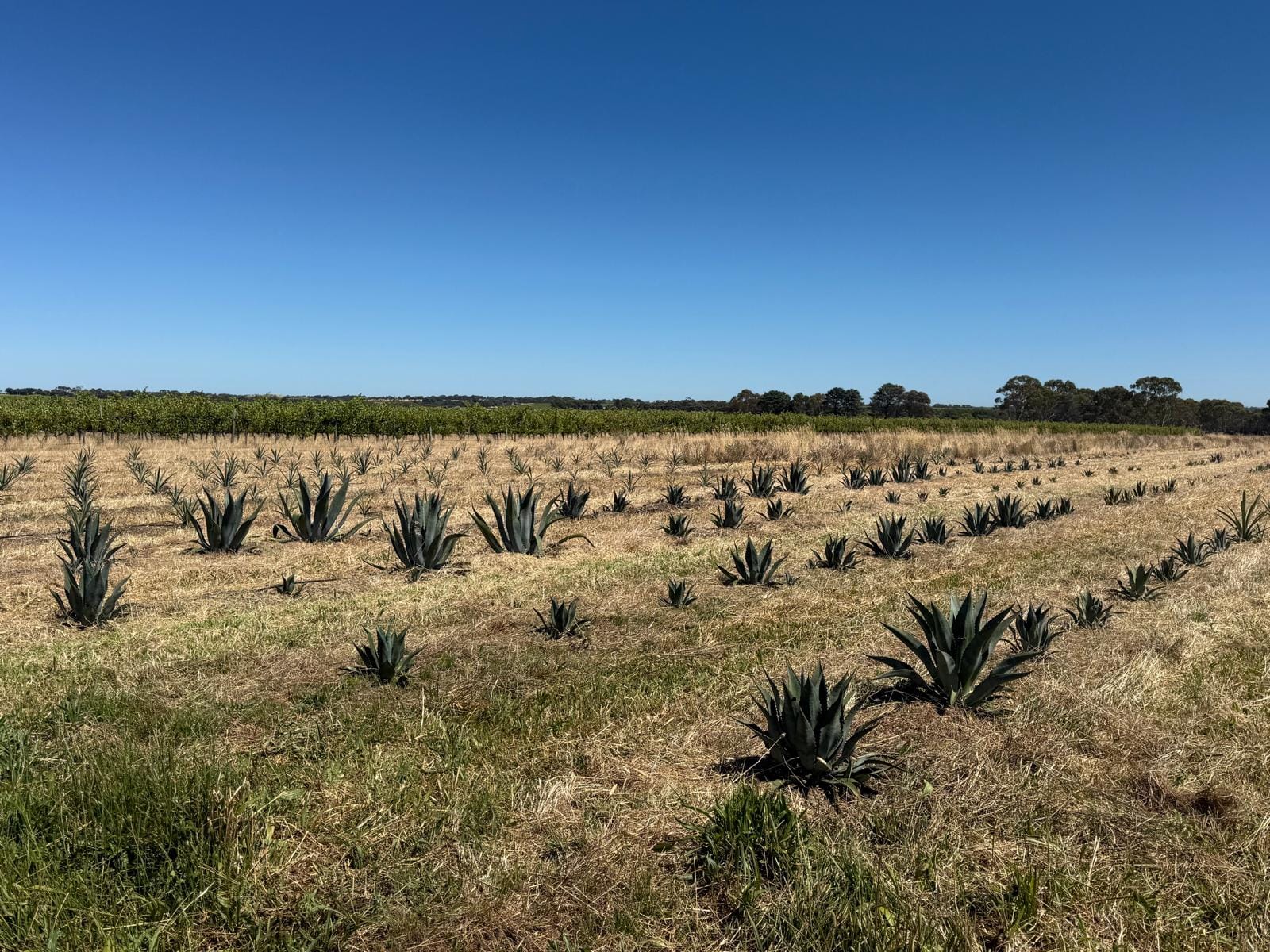
With more than 250 species, including cold-and-frost-tolerant varieties, agave has been recognised for its ability to thrive in harsh environments with minimal water, low fertiliser inputs and strong fire resistance.
Ms Goodfellow highlighted agave’s suitability for the Riverland’s climate and soil profile, noting the plant’s remarkable drought tolerance, low need for agrichemicals, and capacity to grow on marginal or degraded land without competing with food crops.
“Agave’s Crassulacean Acid Metabolism makes it one of the most water-efficient plants on the planet,” she explained.
“It’s climate-change proof, it sequesters significant amounts of carbon and once established it requires very little input.
“For growers facing water insecurity or looking for non-traditional opportunities, it’s an option worth serious consideration.”
Professor Burton provided insight into the Australian research underway, including work on sugar accumulation, flowering behaviour, breeding programs and optimising nutrition for different species.
“Our aim is to understand how agave behaves under Australian conditions,” she said.
“By identifying the right genetics and the right management regimes, we can give farmers a reliable pathway into a crop with both environmental and industrial benefits.”
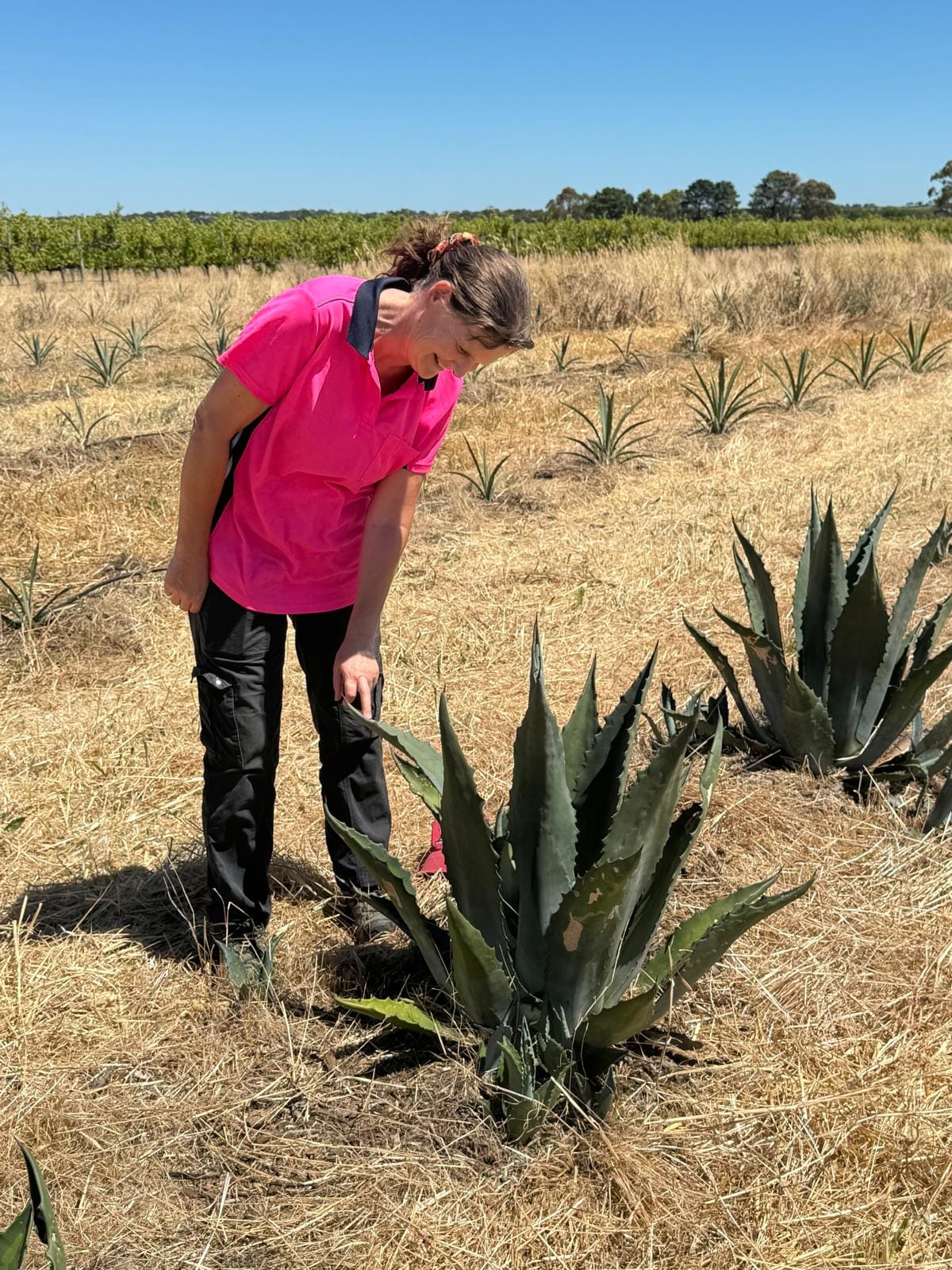
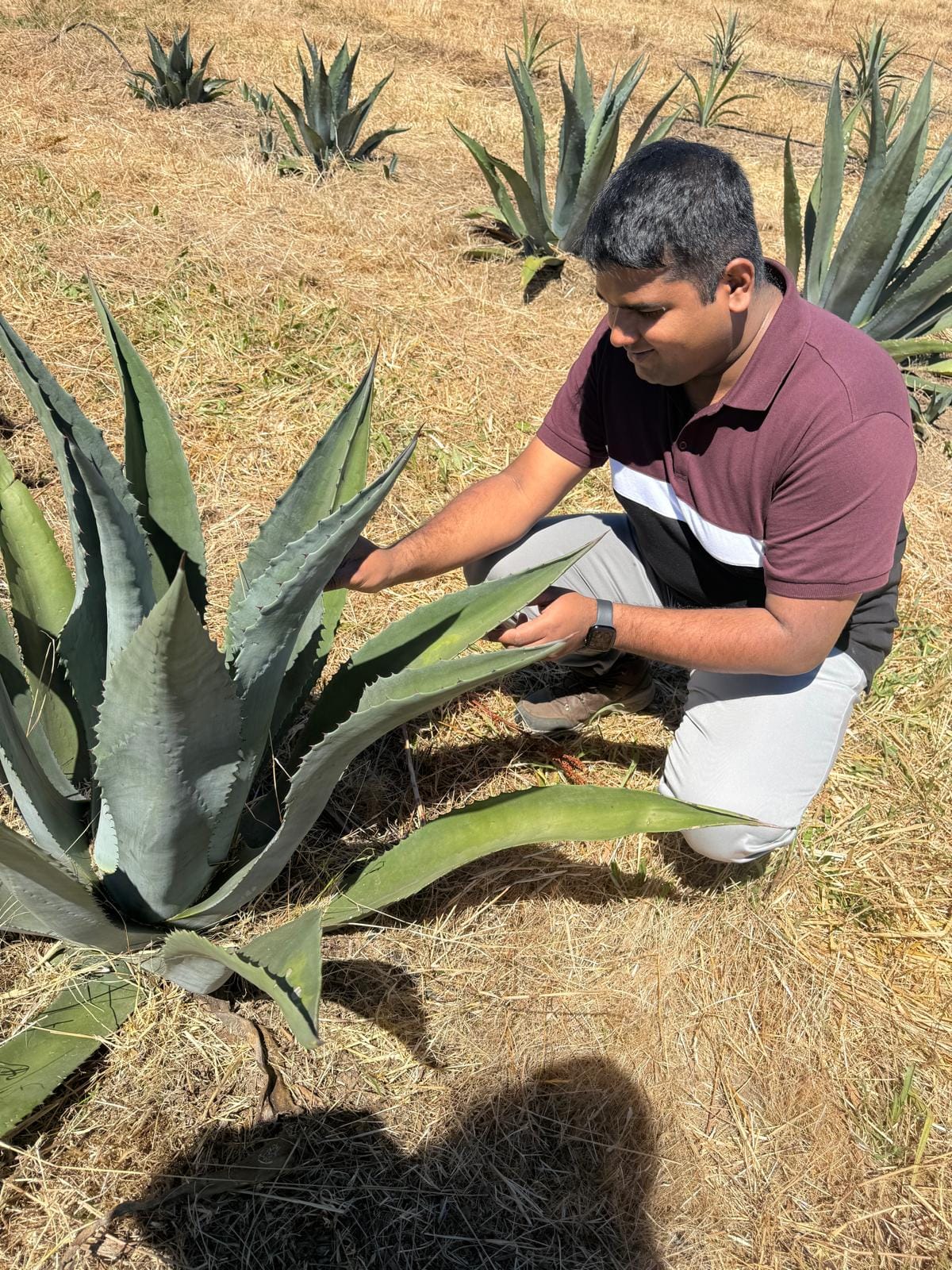
Industry broker Chris Dix discussed emerging markets, including spirits production, fibre products, prebiotic foods, bioplastics, sustainable aviation fuel precursors and livestock silage.
“The interest is already here,” Mr Dix said.
“What’s missing is scale. Australian growers who move early will be positioning themselves at the front of a new supply chain that is already attracting global buyers.”
During the session, experts outlined agave’s multi-use potential. Its sugar-rich juice can be fermented into spirits, bioethanol or 3-methylanisole (a sustainable aviation fuel precursor), while the plant’s fibres are suitable for packaging, textiles, nanocellulose and co-generation.
Leaves can be harvested annually from the third year under marginal conditions, producing 600 to 800kg of material per plant that can be chopped, ensiled and converted into long-lasting stock feed or pellets.
There was strong local interest in the Riverland’s suitability, particularly its sandy loam soils, low rainfall, and large areas of underutilised or marginal land.
Presenters emphasised the importance of raised beds in flood-prone areas and the need for careful weed management, as agave does not compete well with weeds and is highly sensitive to glyphosates.
Growers also heard that overly nutrient-rich conditions can be counterproductive, leading to leafy growth instead of the crucial sugar-dense stem. Instead, regenerative farming practices, minor nutrients, and modest irrigation during the plant’s early years were identified as key factors.
The workshop reinforced agave’s relevance to the region’s long-term economic transition.
With pressures on irrigation water, tightening margins in traditional crops, and the wider national push toward emissions reduction, agave is being explored as a low-input crop that can contribute to biofuel supply chains, including sustainable aviation fuel – a sector predicted to require more than 14 billion litres annually by 2050.
For many attendees, the session signalled a genuine new avenue for Riverland agriculture.
By connecting practical on-ground experience, university-led research and market development expertise, the workshop provided a rare end-to-end look at what establishing an Australian agave industry could involve.
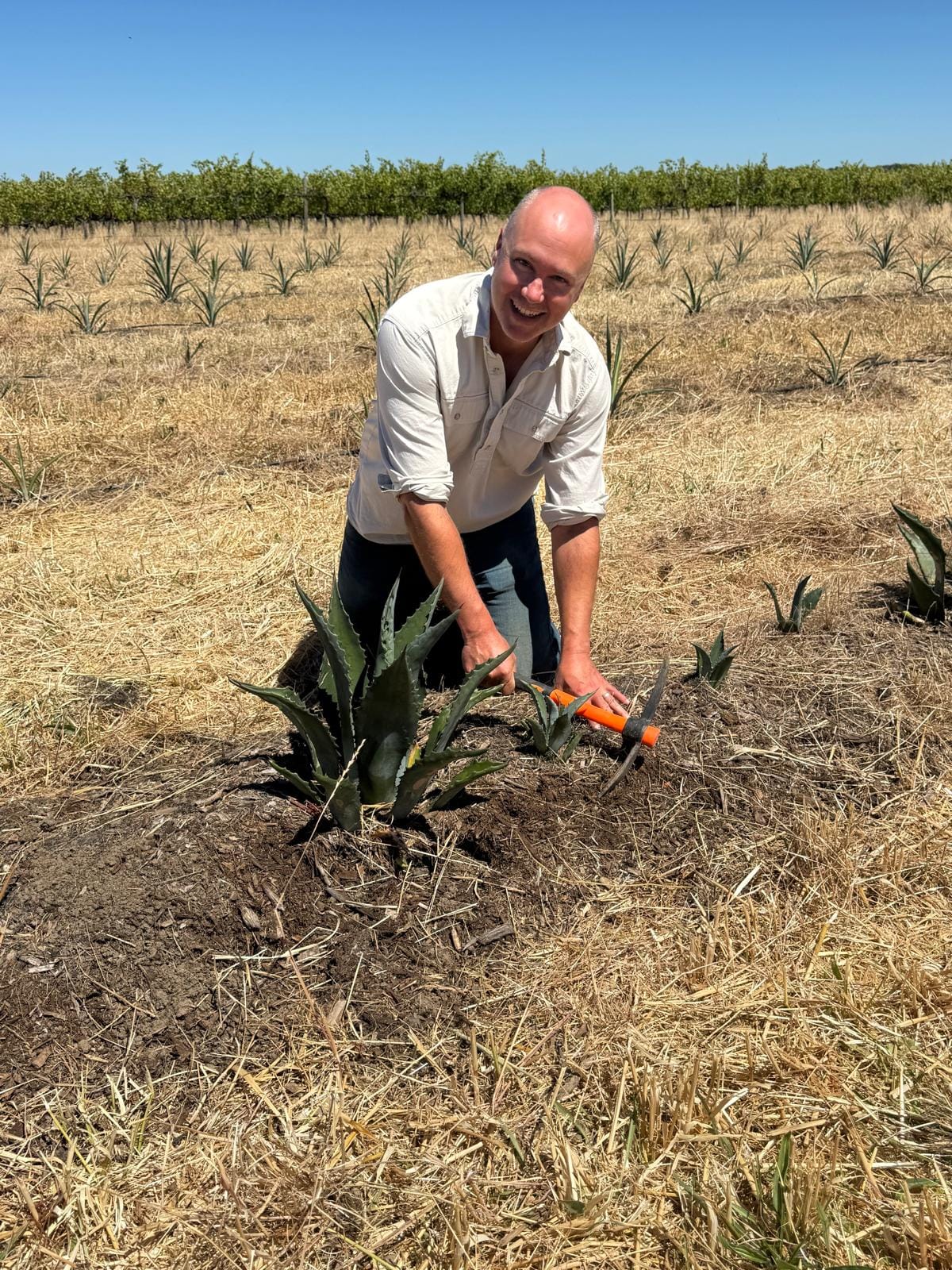
As the Transforming the Riverland Project continues, the region is expected to see further investigation into pilot plantings, economic modelling and supply-chain development.
While the crop remains an emerging opportunity, growers left the workshop with a clearer picture of the potential – and the sense that the Riverland could play a defining role in shaping Australia’s agave future.