


Everything’s coming up rosé
POTENTIAL market opportunities for South Australian wine producers to expand into the rosé sector, which is experiencing growing national popularity, were recently discussed at the Stop and Smell The Rosé Wine Seminar in Renmark.

POTENTIAL market opportunities for South Australian wine producers to expand into the rosé sector, which is experiencing growing national popularity, were recently discussed at the Stop and Smell The Rosé Wine Seminar in Renmark.
Once considered a niche product, rosé has become a staple across cellar doors and export lists, reflecting a shifting consumer taste towards lighter, more approachable styles.
Riverland winemakers are beginning to experiment with new varieties, sustainable practices, and vibrant blends that showcase the region’s sunny climate and reputation for innovation.
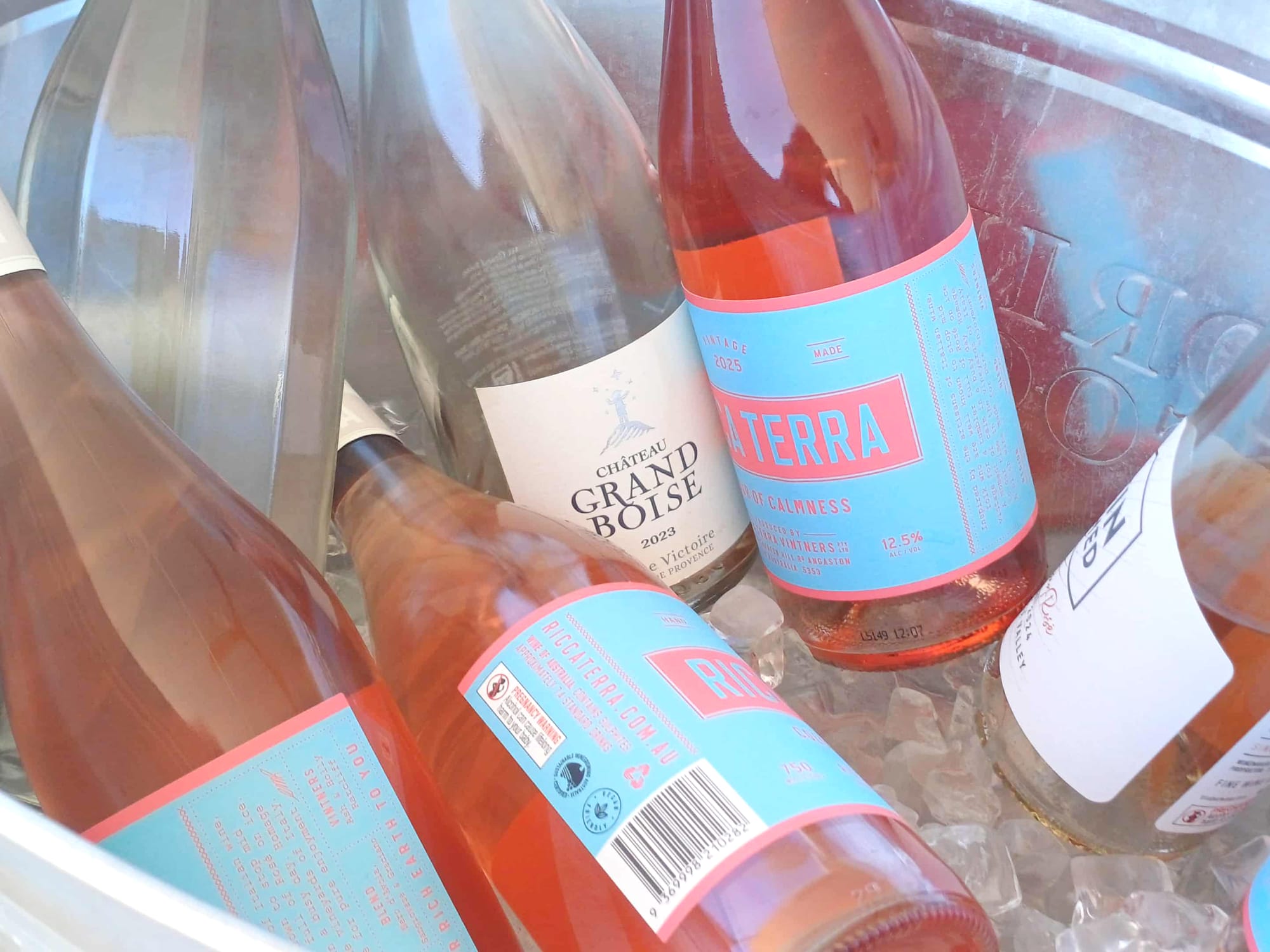
Ricca Terra winemaker Ashley Ratcliff told SA Farmer that the warm climate in the Riverland, particularly across the upcoming months, will make rosé wines even more popular.
“The good thing about rosé is that it can be made from different varieties, so it’s not really a wine style that’s aligned to one grape variety, and it’s just great to drink in our environment,” he said.
“It’s a growing category where others are declining, and there’s a lot of things about rosé that work well, so you have to treat it seriously.
“Grenache, and mataro are pretty good varieties, and then Italian ones like sangiovese, and nero d’avola work really well, as well so they’re the main ones which make the best rosé wines.”
Mr Ratcliff believes this is a further opportunity to diversify away from shiraz, with the grape varieties growing well in the Riverland.
“You can certainly make rosé out of shiraz, but I think you can run into a bit of an issue with the colour of the product,” he said.
“It does give people the chance to diversify away from shiraz a bit, and get some of these other varieties in.
“Grenache, mataro, sangiovese, and nero d’avola grapes are all suited to warm climates, because that’s where they originate from, and it’s similar to the Riverland.”
Mr Ratcliff said there are some clear-cut characteristics to a good rosé, all of which are contributing factors to the growing popularity throughout Australia.
“I tend to look for those strawberry and cream characteristics, and I like quite dry rosé wines, but there’s certainly some that can be sweet,” he said.
“People are looking for that lighter style, and one of the things we spoke about at the seminar was about not being scared if the rosé has a bit of colour in it.
“Rosé used to very much be a wine that was mainly drunk by females, but now with males drinking it more often, it’s become quite a trendy drink.
“It’s not a heavy red, and you have the ability to make it quite versatile by making slushies, and that’s something you can’t do with a shiraz.
“You can put ice in it, and when you get this warm weather coming through which we’re going through now, there’s certainly a lot of positives, and it’s just a great drink to have.”
Ongoing challenges continue to face the wine industry, and the grape growers in the region, including less consumption by the public on the whole.
Mr Ratcliff said rosé wines are no exception, but remains steadfast that they need to remain at the forefront of people’s minds.
“The challenge is probably a broad thing that the whole wine industry face, because people are drinking less,” he said.
“The key thing is that a lot of people used to make rosé an afterthought, particularly when they thought the fruit wasn’t ripe enough, or had a little too much red, so they’d try and be flexible.
“Whereas if you think about rosé as your first choice, and wanting to use the varieties you’re going to grow, I think you can make some spectacular wines that people will love and support.”
Last month’s seminar, held at Hotel Renmark, saw global experts, award-winning writers, and leading voices in the wine industry join forces to discover the story of rosé.
Mr Ratcliff, who organised the event, said there were some clear highlights of the seminar, as the public has a further focus on the production of rosé.
“The seminar was really good because we weren’t just focussing on the Riverland, and Wine Australia told us there was a small reduction in rosé consumption nationally,” he said.
“Compared to still reds and whites, it was nowhere near as severe, so it tells us that while rosé consumption has had a slight decrease, it is so small that it’s actually a good news story in a sea of bad news.
“We talked about the styles in regard to colour. Provence is very light, but there’s potential to have rosé wines with more colour and a lot more flavour, so it’s good to get consumers’ heads around that.
“It’s just good to get a heap of people in the room to talk about rosé.”


